
Commercial Projects
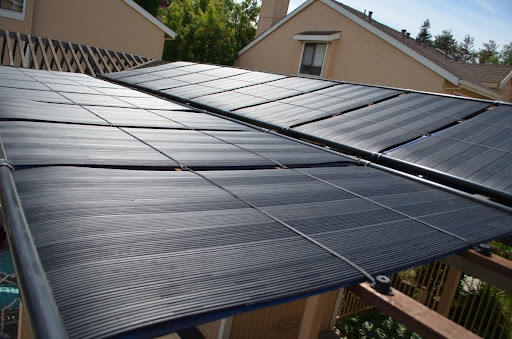
Warm Water, Engineered Right — For Homes, Community Pools & Commercial Properties
A pool only stays warm when the system behind it is designed correctly — not just installed. At Eco Solar Energy, we specialize in solar pool installation, system upgrades, and solar pool heating designed around your property’s actual heat demand, water flow, and energy goals. Whether you’re heating a backyard pool for your family, updating an aging system, or planning for a shared or commercial pool, we build systems meant to perform for years, not just for one summer.
What's Included in Our Solar Pool Installation & Upgrade Service
Every project starts with determining how your pool is used, how much water volume needs to be heated, and how your current plumbing and filtration handle flow. From there, we design a complete solar pool heating system — properly sized panels or collectors, correctly matched piping, and filtration that works with the system instead of against it. If you already have a solar pool setup that’s underperforming, we evaluate it honestly and recommend an upgrade path that fixes the root cause, not just a symptom.
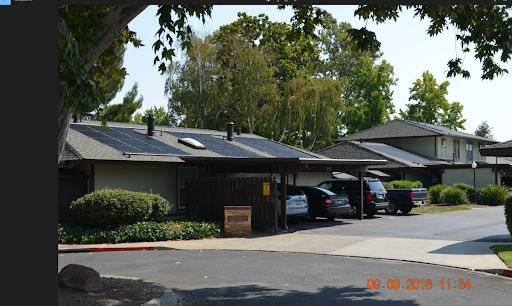
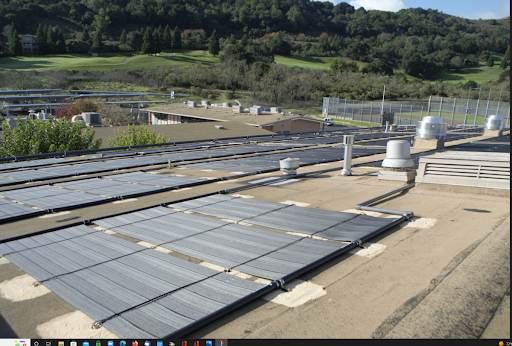
Solar Pool Heating That's Built Around Your Property, Not a Catalog
Get a System Designed Around Your Pool →Why Proper System Design Matters More Than the Equipment Itself
A lot of pool heating problems don’t come from bad equipment — they come from systems that were never designed to work together in the first place. Oversized pumps, mismatched piping, and poorly planned solar integration quietly waste electricity and shorten the life of your equipment. We focus on getting the design right from day one: balanced flow, reduced operating pressure, and components sized to match your pool’s real needs. That approach means less strain on your pump and filter, lower long-term energy use, and a system that keeps performing the way it should.
Meeting California's Updated Pool Heating Requirements
California’s newer energy standards mean gas-only heating is no longer an option for California pools, including some pools that are simply being heated for the first time. Renewable heating — solar thermal systems or code-compliant heat pumps — is now part of the picture for a growing number of homeowners, even those with existing pools. We stay current on these requirements so your system isn’t just efficient, it’s designed to meet the rules that apply to your property today.
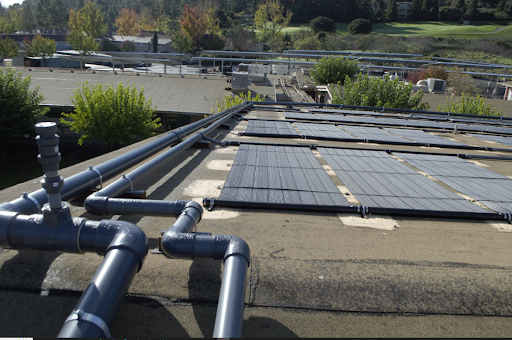
Family-Focused Service, From First Call to Ongoing Support
We know a pool is more than a backyard feature — it’s where families spend their summers, where kids learn to swim, and where a lot of good memories happen. That’s part of why we treat every installation like it’s going into our own home: carefully, honestly, and built to last. Our relationship doesn’t end at installation, either. We provide ongoing service and support for the systems we install, so you always have someone to call.
Looking for Solar Electricity or Battery Storage? We'll Point You in the Right Direction
Solar pool heating and home solar electricity are related, but they’re not the same specialty, and we believe in matching you with the right expertise. If you’re also interested in solar panels, whole-home battery backup, or energy independence for your house, those services are handled through Eco Solar’s Owner, Doug Rotermund, who is a Powur Independent Consultant. He will walk you through a personal consultation and help you find the right system for your home and goals.
Frequently Asked Questions
What's included in solar pool installation and system upgrades?
A complete solar pool installation includes properly sized solar collectors, matched piping and flow design, and filtration integration. Upgrades follow the same standard, correcting design issues in an older system rather than just swapping parts.
-
How is a solar pool heating system different from a standard pool heater?
A standard natural gas pool heater uses fossil fuels to heat the pool water. Most of Eco Solar’s solar systems heat the water about 100 times cheaper than natural gas using the sun’s energy. As of September 1, 2026, PGE charges about $2.88 cents per therm of gas delivered. The most common heaters in use today consume 4 therms per hour. That is $11.52 per hour. My solar pool heater only uses about 10 cents per hour.
-
Does a solar pool system work with an existing filtration system?
Yes — Solar pool heaters use the swimming pools filtration equipment to deliver the water throughout the system.
-
Can an existing pool system be upgraded instead of replaced?
Yes. Many performance issues come down to design or sizing problems that can be corrected without a full system replacement.
-
What signs indicate a pool system needs an upgrade?
If it has 1.5” plumbing or 1.5” valves (2 or 3 way). If your pool still has a single speed filter pump. (Variable speed pumps have been on the market now for 19 years) If your pool has a filter with a backwash valve on it, chances are perhaps 8 in 10 that the backwash valve is an old style that has a very high pressure drop. New, low friction valves on the market today can have as little as ⅛ the friction of water. The lower the friction of water is in all your pool equipment combined, the less energy your pump will use to circulate clean water through everything.
-
If your sand filter has a multiport valve on top, great improvement is waiting to happen.
-
Many heaters should have heater bypass valves on them, just like the heater manuals recommend. Long sweep energy efficient elbows are part of the improvements that can be made. And some pool cleaner types are egregious energy wasters.
-
If your pool is still using Ortega valves, there is opportunity to improve hydraulic efficiency.
- When all these improvements are added together, I have had hundreds of pools that achieved 400, 500, and even 600% increases in energy efficiency. That means that the amount of electricity used by the old filter system to filter 1000 gallons of water, will now filter 6000 gallons for the same price.
-
What signs indicate a pool system needs an upgrade?
-
How does a solar pool heater work?
A solar pool heater circulates pool water through solar collectors, where it’s warmed by the sun before returning to the pool. The system’s efficiency depends on correct sizing of the solar array, how it is plumbed, that it has a ‘best efficiency’ system flow rate and that the filter room is doing it’s job at high efficiency. PGE today in their published electric tariff book is charging 62 cents for 1000 watts of energy.
It’s around 11 cents in Oregon for 1000 watts.
-
Does solar pool heating work during cloudy days or cooler months?
Solar pool heating performs best with consistent sun exposure, and system design plays a large role in how well it holds temperature during less sunny stretches.
-
Can a solar pool heater be paired with a backup heat source?
Yes, many homeowners pair solar heating with a supplemental heat source, such as a heat pump, especially where code requirements call for it.
-
Can a solar pool heater be paired with a backup heat source?
-
How long does it take to notice a difference in pool temperature?
The old rules say give it a week. Most customers are smiling at day 4.
Is solar pool heating required under California's new energy rules?
For many properties, yes. Updated code requirements mean gas-only heating is no longer allowed for new pools or pools being heated for the first time, with renewable options like solar thermal or code-compliant heat pumps required instead.
- What counts as “adding heat” to a previously unheated pool?
Installing any heating system — solar or otherwise — on a pool that was previously unheated typically triggers the current renewable energy requirements.
- Does this apply to existing homes, not just new construction?
Yes. Existing homes adding heat to an unheated pool are generally subject to the same requirements as new pool construction.
- Does this apply to existing homes, not just new construction?
- What are the renewable heating options allowed under the new requirements?
The two main paths are solar thermal pool systems sized to a set percentage of the pool’s surface area, or code-compliant electric heat pumps or a combination of those 2.
Can solar pool heating be combined with solar electricity and battery storage?
Yes, and many homeowners choose to plan both together. Pool heating and home solar electricity are separate systems, but they can be designed to complement each other on the same property.
- Who handles solar electricity and battery storage installations?
It depends on your location. Powur is actively designing solar and battery systems in 23 states. There is a large network of certified Powur installers across the Country, and Hawaii.
What does a Powur Independent Consultant do?
They walk homeowners through a personal consultation, assess energy needs, listen to what you want as the homeowner and help to coordinate the proper system design with the Powur team.
Can one home have both a solar pool system and a home solar electric system?
Yes, and it’s common for homeowners to plan pool heating and home solar electricity together as part of a broader energy strategy.
How do I know if my property qualifies for a solar pool system?
Most residential and commercial pools can be evaluated for solar heating, but the right approach depends on roof or ground space, pool size, sun exposure, and how the pool is used.
Does system design differ for residential vs. commercial pools?
Yes. Commercial and shared pools typically involve higher usage and different flow demands, which changes how the system is sized and engineered.
- What factors determine the right system size?
Pool surface area, sun exposure, desired temperature, climate zones and usage patterns all factor into properly sizing a solar pool system.
Is a site evaluation required before installation?
A site evaluation helps us determine if your particular pool equipment set up has any important upgrades that we can point out to you. Sometimes we just assist with the low hanging fruit that will make a big difference at little cost.